There is something different about children right now.
Not their intelligence.
Not their creativity.
Not their potential.
Their ability to be with one another.
As a Montessori teacher, I spend my days observing children in community. Montessori environments are intentionally designed for social development: multi-age groupings, collaborative work, grace and courtesy lessons, conflict resolution, freedom within limits.
And yet, more and more, I am seeing children who struggle profoundly with something that used to come more naturally: socialization.
Not surface-level interaction. Not simply talking. But true, healthy, reciprocal social development.
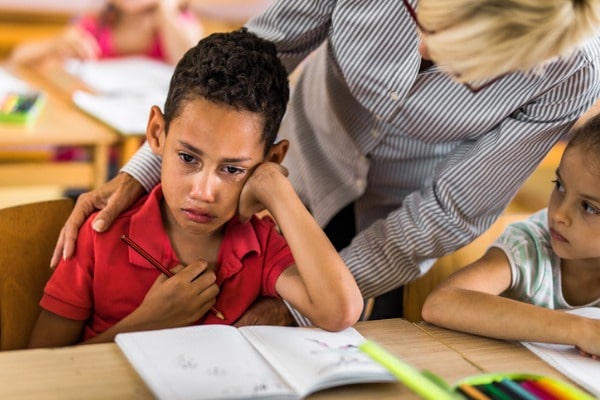
Dr. Maria Montessori described the classroom as a “society in embryo.”
She understood that education was never merely academic. It was social, moral, and deeply human. But that promise if not fulfilled in isolation.
Children construct themselves through interaction. Through friction. Through community.
Montessori believed that development happens not by shielding the child from the world – but from preparing an environment in which they can actively engage with it.
What Lack of Socialization Looks Like
It doesn’t always look like isolation.
Sometimes it looks like:
- Children unable to resolve conflict without adult intervention
- Extreme sensitivity to correction
- Difficulty reading facial expressions or tone
- Interrupting constantly because they don’t know how to wait
- Talking at peers rather than with them
- Meltdowns over minor social misunderstandings
- Avoiding collaboration altogether
- Or the opposite: dominating every group interaction
Some children prefer screens over peers.
Some prefer adults over children.
Some genuinely do not know how to sustain play without structured direction.
And this isn’t about “bad behavior”
It’s about undeveloped social muscles.
Yes, COVID disrupted social development.
But even before that, something was shifting.
Playdates became scheduled and structures.
Outdoor neighborhood play declined.
Free play was replaced by organized activities.
Screens became companions.
Adults began intervening more quickly in conflicts rather than allowing children to work through discomfort.
Children were protected from struggle.
But in protecting them from discomfort, we may have unintentionally protected from growth.
The Emotional Consequences
When children lack strong social foundations, we see:
- Increased anxiety
- Fear of peer rejection
- Overdependence on adult approval
- Fragile self-esteem
- Difficulty accepting accountability
- Struggles with empathy
They often want friendship deeply – but lack the tools to sustain it.
We are trying to teach academics while simultaneously rebuilding social foundation that were never solidified.
It is exhausting.
Because social deficits don’t stay contained. They ripple. They affect the classroom culture. They affect learning. They affect every child in the room.
Parents, Screens, and the Fear of Discomfort
There is a growing fear of letting children struggle socially.
Parents step in quickly.
Teachers are expected to mediate immediately.
Discomfort is labeled as trauma.
Disagreement is labeled as bullying.
Natural consequences are seen as harsh.
But conflict is not cruelty.
Learning to apologize, to compromise, to sit with frustration, to hear “no”, to be left out sometimes -these are not wounds. They are developmental necessities.
Children cannot develop resilience without friction.
They cannot develop empathy without conflict.
They cannot develop confidence without navigating social risk.
What We Can Do
The solution is not complicated, but it is uncomfortable.
- Reduce screen time
- Encourage unstructured play
- Allow children to resolve minor conflicts before intervening
- Stop rescuing them from every uncomfortable moment
- Model healthy disagreement
- Teach grace and courtesy explicitly -and repeatedly
- Let them experience natural social consequences
In Montessori classrooms, we intentionally create micro-societies where children practice these skills daily.
But this work cannot live only at school.
Socialization is not something teachers can “fix” in six hours a day.
It is a cultural shift.
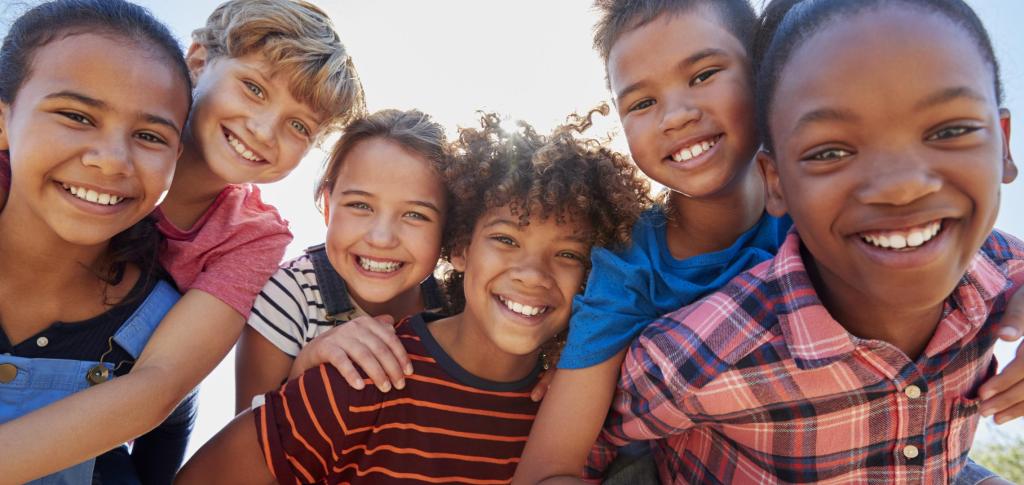
Children are not less capable today.
They are not weaker.
They are not broken.
But many of them are under-socialized.
What they need is practice.
Practice being uncomfortable.
Practice negotiating.
Practice waiting.
Practice losing.
Practice repairing.
Socialization is not optional in childhood.
It is the foundation of adulthood.
And if we want children who can collaborate, lead, empathize, and build peaceful communities, we must give them the time, space, and freedom to learn how to be human together.
 Confessions of a Montessori Teacher
Leave a comment